

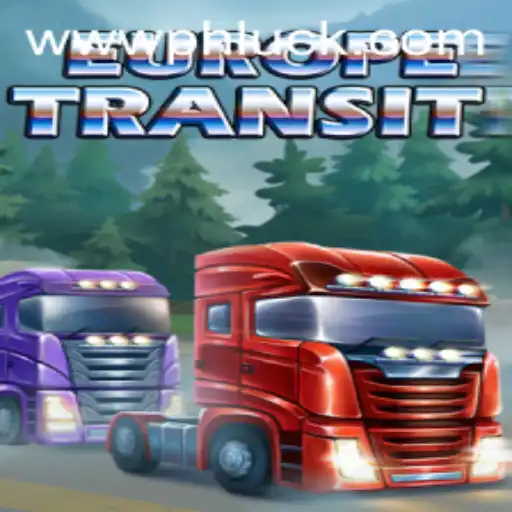
Explore EuropeTransit, an innovative strategy game enhanced by the concept of PhLuck, where players navigate the dynamic landscape of Europe's logistics and transportation systems.
EuropeTransit: Navigating Challenges with PhLuck
EuropeTransit is a groundbreaking strategy game that intertwines the intricate complexity of European logistics with the whimsical concept of PhLuck. As international markets continue to evolve post-pandemic, the game's relevance is heightened by its focus on navigating transport challenges across a diverse continent.
Introduction to EuropeTransit
In the wake of the recent shifts in global trade dynamics and supply chain disruptions, EuropeTransit emerges as both a cultural reflection and an interactive learning experience. Designed for both seasoned strategists and casual gamers alike, it offers a canvas where modern logistical problems meet traditional board game charm. As players delve into the tasks of managing transport routes from Lisbon to Helsinki, the incorporation of PhLuck introduces an element of unpredictability akin to real-world scenarios.
The Concept of PhLuck
At the heart of EuropeTransit is PhLuck, a concept blending 'phenomenon' and 'luck'. This innovative mechanism determines unexpected events that influence game outcomes. From fluctuating fuel prices to political shifts affecting border controls, players must adapt their strategies to thrive. This randomness mirrors contemporary scenarios such as the energy crisis affecting European nations or the fluctuating agreements on Brexit-related trade.
Core Game Mechanics
EuropeTransit is structured around a hybrid of turn-based strategy and real-time resource management. Each player assumes the role of a transit coordinator responsible for maintaining efficient logistical chains. The board is a meticulously detailed map of Europe, featuring the major capitals, trade hubs, and strategic points.
Starting the Game
Each session begins with players selecting their base of operations from major European cities. Initial resources, including vehicles, fuel, and contracts, are allocated randomly, setting a unique stage for every game. This distribution is crucial as it affects the ability to leverage routes efficiently.
PhLuck Events
PhLuck events occur intermittently during gameplay, forcing players to alter plans suddenly. These events are drawn from a deck of cards representing real-world challenges. Examples include transit delays due to strikes, random weather disturbances, or sudden policy changes like increased tariffs. Such challenges require players to make quick decisions, reflection the agility needed in actual transportation sectors today.
Player Interaction and Strategy
Collaboration and competition are central themes. Players can forge alliances to share routes and resources, or undercut each other by monopolizing strategic passages. As the game progresses, maintaining a balance between short-term benefits and long-term strategy becomes essential. This mirrors current geopolitics in Europe, where nations must balance domestic interests with collaborative EU frameworks.
Adapting to Modern Challenges
The game effectively incorporates contemporary themes such as sustainability. Players earn points by choosing eco-friendly transport options, reflecting Europe's commitment to reducing carbon footprints. Challenges like low-emission zone compliance and alternative fuel sourcing add layers of complexity to decision-making.
Technology and Innovation
Staying ahead in EuropeTransit requires investing in technological advancements. Players may upgrade their fleets to autonomous vehicles or apply for innovations such as AI-driven route optimizations. These elements are particularly relevant given the increasing digital transformation within the logistics sector globally.
Learning Opportunities
Beyond entertainment, EuropeTransit serves as an educational tool, allowing players to grasp the logistics landscape and appreciate the intricacies involved in seamlessly integrating multiple countries' transport systems. Case studies embedded in the game draw parallels to real-world logistics feats, like the Belt and Road Initiative's influence on European trade.
By engaging in EuropeTransit, players gain a deeper understanding of how political climates, environmental policies, and technological innovations coexist and impact one another, ultimately preparing participants to think critically about the complexities of logistics.



0 Comments